
Windows of Opportunity: Understanding Your Child’s "Sensitive Periods"
Have you ever noticed how deeply sensitive young children can be to changes in their daily routine? Even a minor schedule adjustment can sometimes ripple through their entire day. On the positive side, you have likely also witnessed their incredible ability to internalize the order of their daily activities. They intuitively know exactly when something is supposed to happen during a regular day.
It is equally amazing how quickly young children absorb the intricacies of language, how they progress seamlessly from sitting to walking to running, or how they can become utterly captivated by the tiniest details in nature.
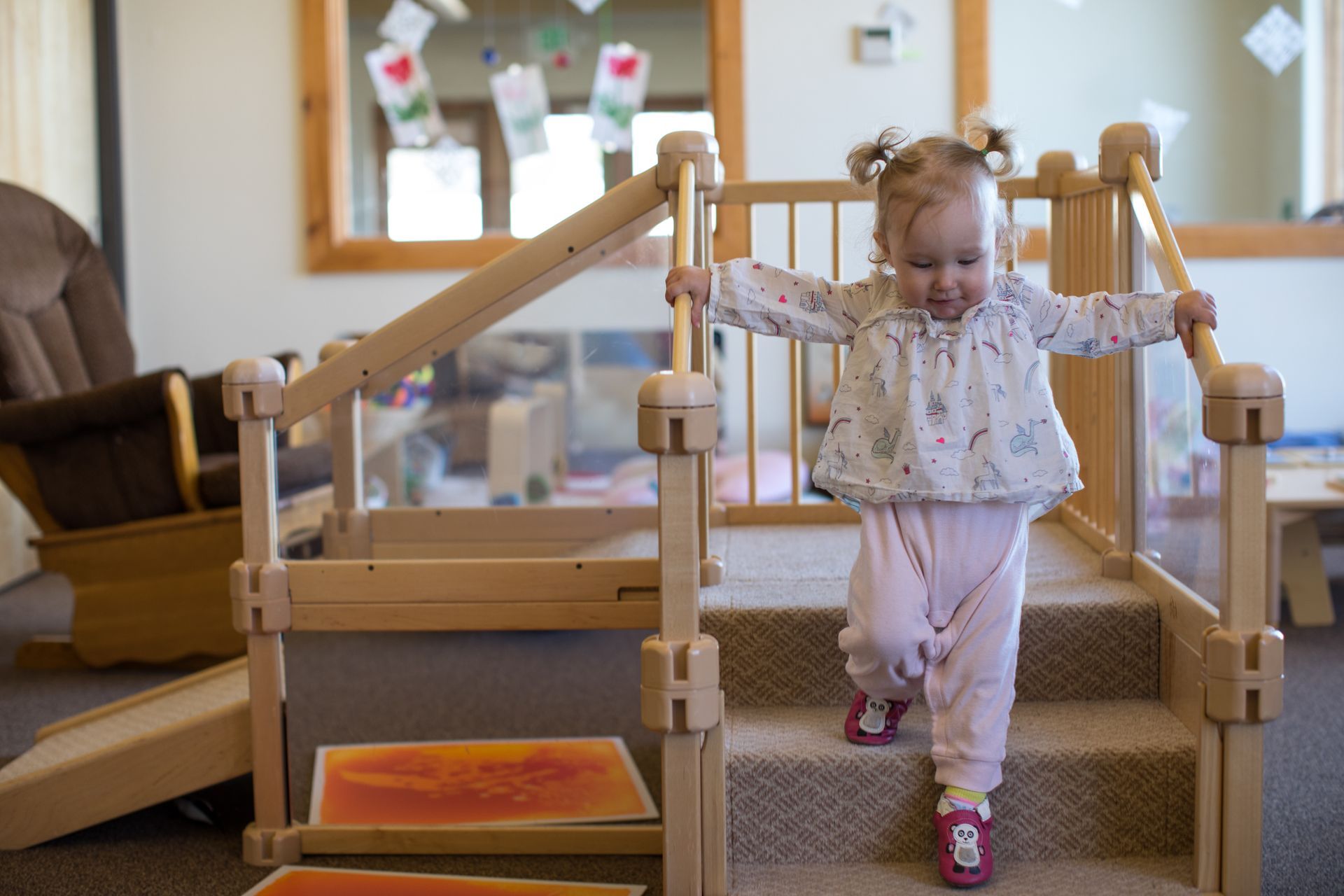
During these early years, children are compelled by an irresistible internal force. Think of the toddler who insists on climbing up a set of stairs again and again. We can try to redirect them, but they are completely undeterred! And despite the immense physical effort involved, the activity seems to bring them pure energy rather than fatigue.
In the Montessori tradition, we pay close attention to these windows of time when children show an intense, almost magnetic focus on mastering a new skill. We call these times Sensitive Periods.
What Exactly is a Sensitive Period?
To paint a picture of these developmental windows, Dr. Maria Montessori used the beautiful example of newly hatched caterpillars:
Young caterpillars hatch from eggs in protected nooks of a tree but are immediately drawn toward the bright light at the very tips of the branches. They aren't consciously aware that going toward the light will provide them with the soft, young leaves they need to survive; they are simply responding to a biological impetus. Once they have eaten and grown, the caterpillars no longer have the desire to move toward the bright light. That specific sensitive period is over, and they naturally shift into the next stage of their development.
Like the young caterpillars, young children entering a sensitive period become incredibly absorbed in acquiring or mastering a specific skill. Neurologically, this is a time when specific networks of neurons become highly active, establishing key pathways in a child’s rapidly developing brain.
These windows of opportunity are temporary, marked by a passionate focus that fades once the developmental need is met. In our early childhood environments at North Shore Montessori, we focus on supporting four primary sensitive periods.
The Four Main Sensitive Periods
1. The Sensitive Period for Order
- Peak Window: Birth to 3 years (continuing through age 6)
When children are under the influence of this sensitive period, they show an intense interest in the consistency of their environment and routines. Young children can experience genuine distress if the sequence of their day or the placement of objects changes unexpectedly.
As adults, we appreciate order because it is convenient; it makes our weeks run more efficiently. But for young children, order is a vital necessity. The order in their physical surroundings and daily rhythms forms the very foundation of their relationship with the world.
If that foundation is constantly shifting, children must use a tremendous amount of energy just to adapt, diverting that energy away from other necessary forms of development. When children have a predictable, ordered environment, they feel safe, trust their surroundings, and begin to build a calm internal order.
2. The Sensitive Period for Language
- Peak Window: Birth to 6 years
Children are effortlessly absorbing language from the moment they are born. The first three years of life are focused primarily on the development of spoken language, while the ages of three to six focus on the expansion and refinement of language, including writing and reading.
During this window, children are internalizing the nuances of grammar, the rhythm of sentences, and the subtle sounds of the dialect spoken around them. Because they absorb everything so completely, they thrive on rich, authentic language experiences. At home and at school, we can support this by naming real objects precisely (using terms like monstera leaf instead of just plant) and engaging in meaningful, respectful conversations, even with infants.
3. The Sensitive Period for Refinement of the Senses
- Peak Window: Birth to age 4.5
Young children learn about their world entirely through sensory exploration. This sensitive period doesn't physically alter a child's eyes or ears, but it radically changes how their brain interprets sensory inputs. It allows them to distinguish finer and finer differences in their environment.
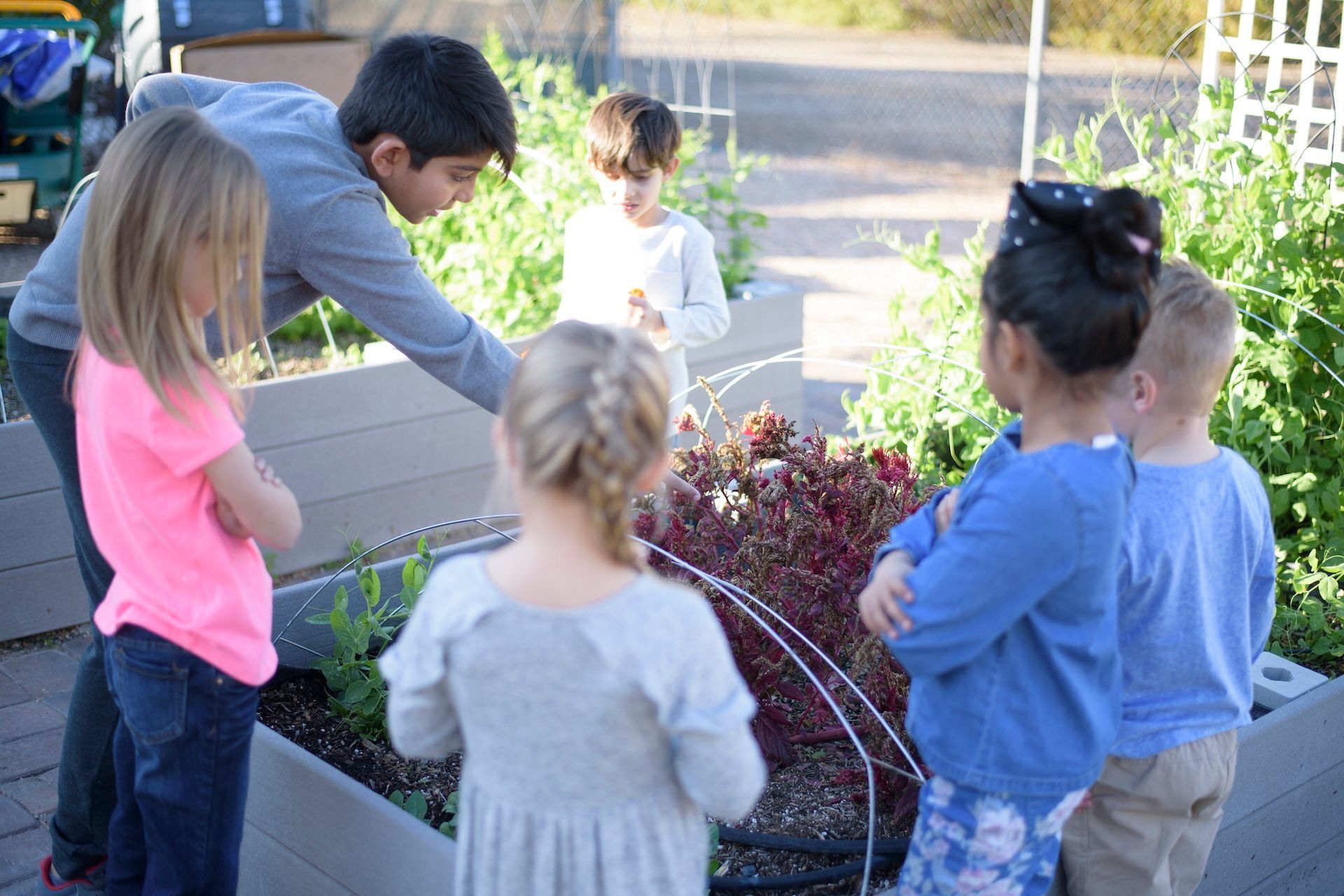
Children who have access to a sensorially rich environment learn to organize, classify, and categorize their impressions. Neurologically, they are creating networks that interpret visual, auditory, tactile, olfactory, and gustatory perceptions. Providing carefully curated sensory experiences gives children the opportunity to develop lifelong powers of discrimination, such as a refined musical ear or a keen visual eye for detail.
4. The Sensitive Period for Movement
- Peak Window: Birth to age 4 (with refinement peaking between 2.5 and 4)
Movement is how children connect with their environment, express their developing personalities, and build true physical independence. From ages two and a half to four, children are deeply focused on coordinating and refining their gross and fine motor skills.
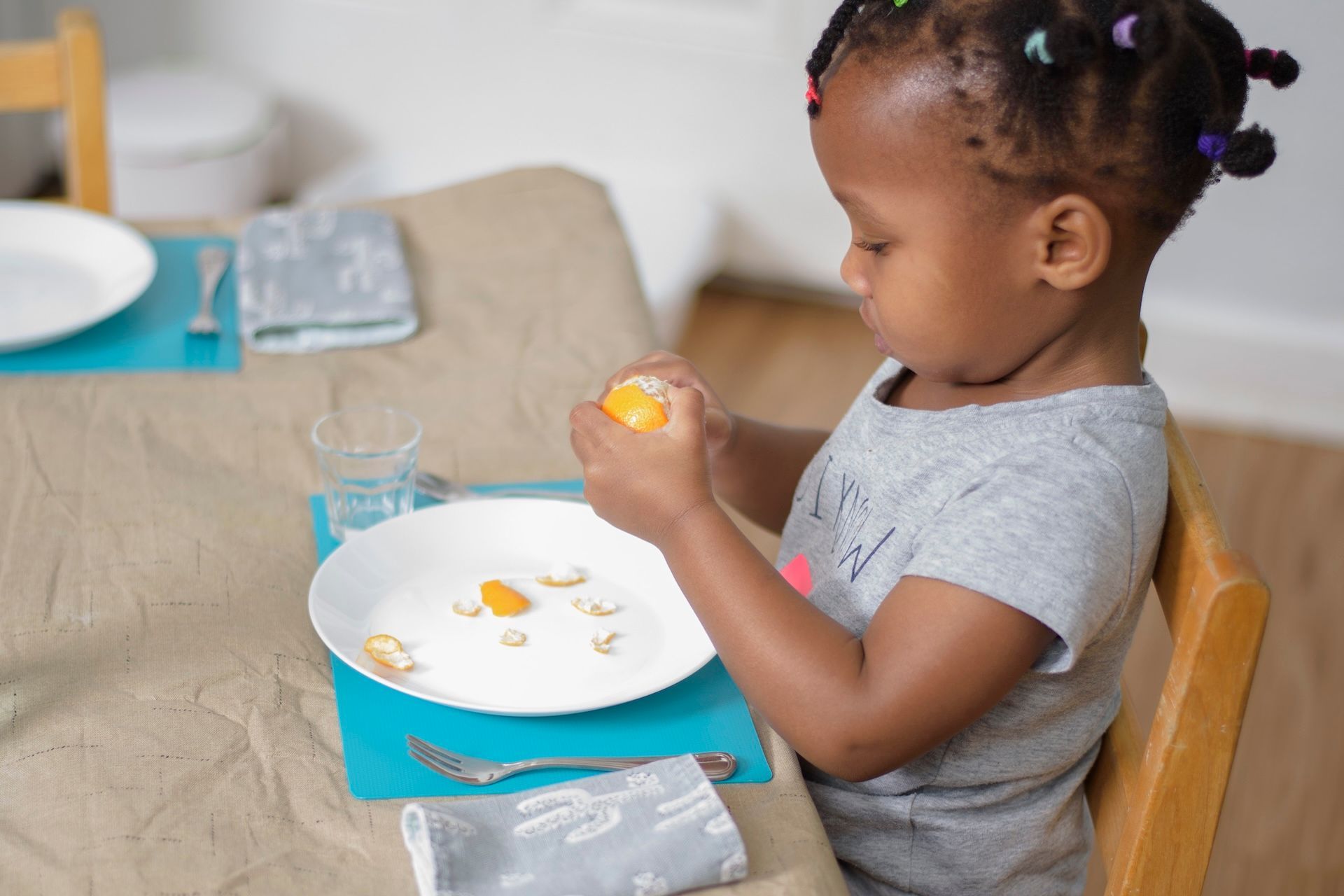
Children in this stage benefit immensely from having their physical movements directed toward a purposeful aim. For example, children naturally want to imitate the daily life they see around them, particularly food preparation. While toy kitchens are common, children often tire of them quickly because they don't offer real feedback. They are significantly happier and more focused when preparing real food—like slicing a banana with a dull spreader or washing berries. Meaningful, practical activities help them refine their movements, build confidence, and contribute to their family community in a tangible way.
Power, Potential, and Inner Joy
The term "sensitive period" serves as a profound reminder for the adults in a child's life. It calls on us to be sensitive—treading mindfully and with great care—to the immense power and potential of these brief developmental windows.
During these periods, children absorb complex skills and traits without apparent effort. Once a sensitive period fades, a child can absolutely still learn the same skill, but it will require conscious effort, repetition, and hard work. Think of how naturally a preschooler absorbs a second language compared to how challenging it is for an adult!
Most delightfully, when a child's inner developmental needs meet a prepared environment that allows them to work, they experience a profound sense of inner satisfaction and deep joy.
Want to see this joy in action? We invite you to schedule a visit to our Milwaukee campus.
You might also like