
The Mind-Body Connection: How "Body Schema" Builds Confidence in Young Learners
Think about a newborn gazing with total wonder at their own hands, or a toddler determinedly carrying a heavy pumpkin across the playground. These moments aren't just sweet everyday milestones—they are essential steps in how children discover who they are and how they relate to the world around them.
At North Shore Montessori School, we know that young children learn through their senses and movement. A foundational concept in early childhood development that bridges physical movement with psychological self-confidence is body schema.
What is "Body Schema"?
Body schema is the subconscious, internal map our brain creates of our physical body. It’s our deep awareness of where our body parts are, how they move together, and where our physical self ends and the rest of the world begins.
Every time a baby feels the texture of a blanket, a toddler balances on a log, or a primary student carefully carries a glass pitcher, their brain receives vital feedback. This feedback refines their body schema, creating a strong, unified connection between mind and body.
Why Body Schema Matters for Mind and Self-Image
Dr. Montessori emphasized that movement and intellect are deeply intertwined. When children develop a well-defined body schema, it supports their growth in several key ways:
- Physical Coordination & Grace: Precise, deliberate movements—like writing with a pencil, pouring a drink, or cutting with scissors—require a clear awareness of every part of the hand and body.
- Positive Self-Image: Physical self-awareness forms the bedrock of emotional self-awareness. When children experience positive, satisfying feedback from their bodies, they build trust in their own abilities.
- Emotional Resilience: A strong mind-body connection helps children feel grounded, safe, and centered in their physical environment.
How Body Schema Grows Over Time
Body schema develops through movement and sensory feedback across every stage of development:
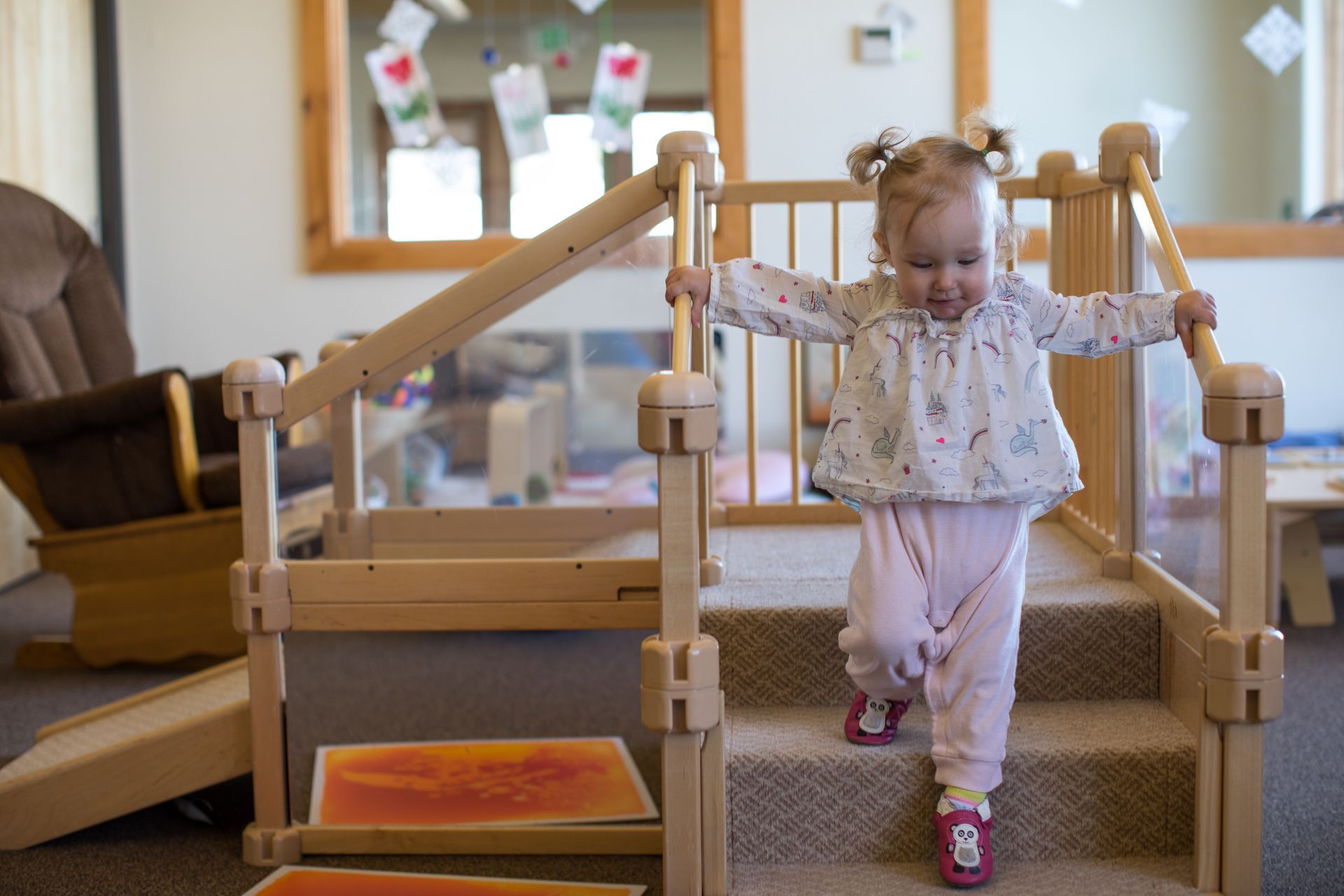
- Infancy: It begins before birth! After birth, body schema develops rapidly through how we hold, feed, change, and handle babies, as well as through their own natural progression from slithering and crawling to standing and walking.
- Toddlerhood & Early Childhood: As children enter our Prima and Primary communities, body schema continues to refine through complex movements—climbing, balancing, and engaging in "maximum effort" activities.
- Adolescence: During the dramatic physical growth spurts of adolescence, body schema undergoes another massive update! Youth need purposeful physical activity—sports, yoga, building, or outdoor exploration—to feel comfortable in their changing bodies again.
Supporting Body Schema at Home and School
1. Encourage "Maximum Effort"
Children love to test their limits! Give your child opportunities to carry, push, pull, and lift heavy (but safe) objects. Whether it's pushing a child-sized wheelbarrow, carrying groceries, or walking up a hill, whole-body effort creates deep sensory awareness.
2. Use Precise, Positive Language
During daily routines like dressing or bath time, playfully name body parts with accuracy:
- "Let's slide your left elbow through this sleeve."
- "Push your heel down into your boot."
- "I'm wiping right behind your knee."
3. Play Movement-Based Games
For young children, simple games of imitation like Simon Says, obstacle courses, or balancing on outdoor curbs provide wonderful, joyful ways to hone spatial and body awareness.
What to Keep in Mind: Giving Room to Move
To foster a healthy sense of body schema, children need maximum freedom of movement. Here are a few practical considerations:
- Minimize "Containers": While car seats and strollers are necessary for safety and convenience, try to offer ample floor time on a cozy mat or grass whenever possible so babies can move untethered.
- Choose Dress for Movement: Select flexible, comfortable clothing and footwear that allow full range of motion. For infants, allowing bare hands and feet as much as possible provides rich sensory input from the environment.
- Be Mindful of Prolonged Pacifier Use: Extended pacifier use can sometimes blur a baby's spatial perception of their own mouth and facial boundary.
The Lasting Gift: Trust and Self-Confidence
When children have rich, movement-filled sensory experiences, they develop a profound trust in themselves and the world around them. This physical competence naturally transforms into intellectual and emotional confidence—a true joy in being present in one's own body.
Want to see how our prepared environments support freedom of movement and physical mastery? We invite you to
schedule a visit to North Shore Montessori School and watch our students in action!
You might also like