The Art of Observation: How We See and Support Your Child
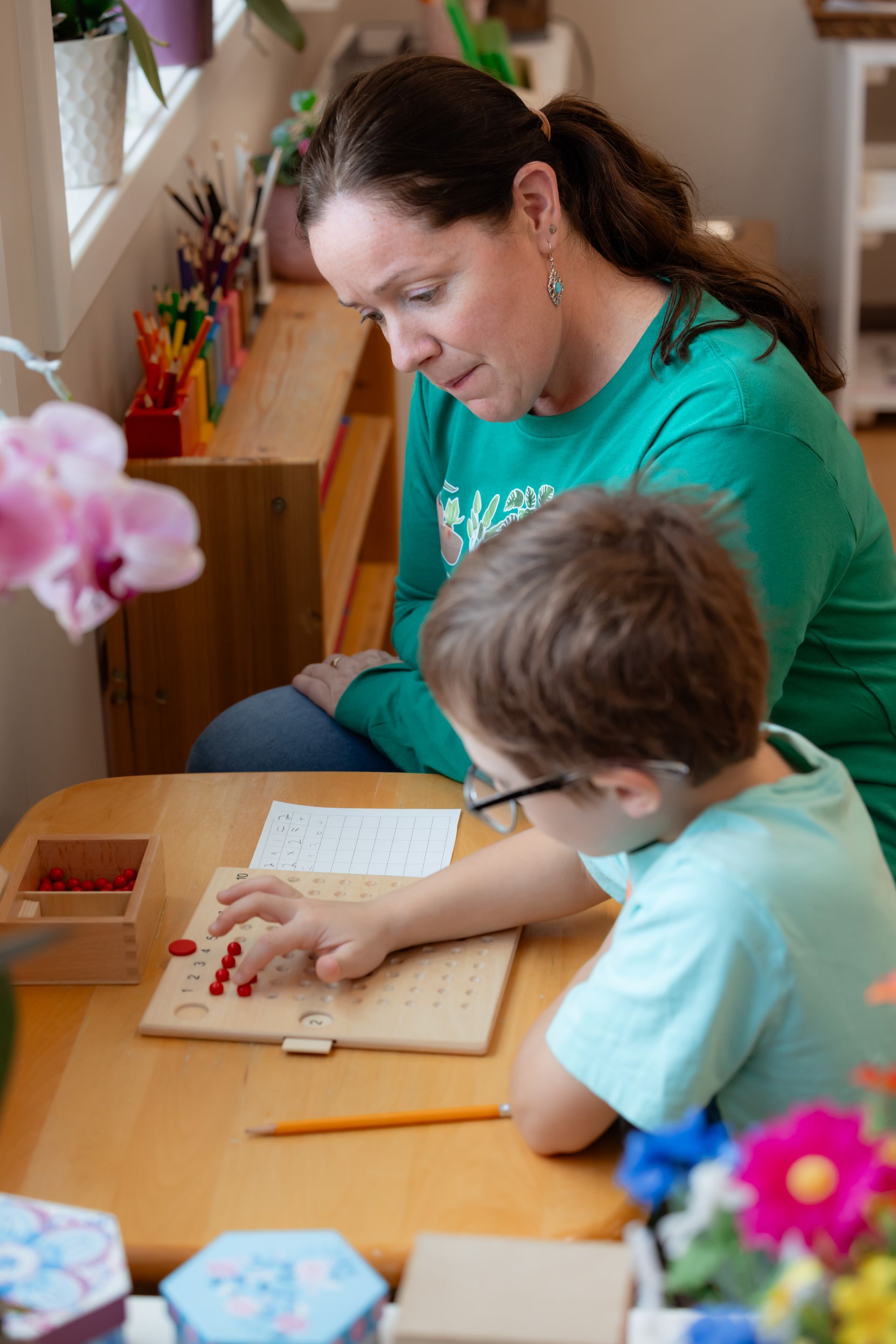
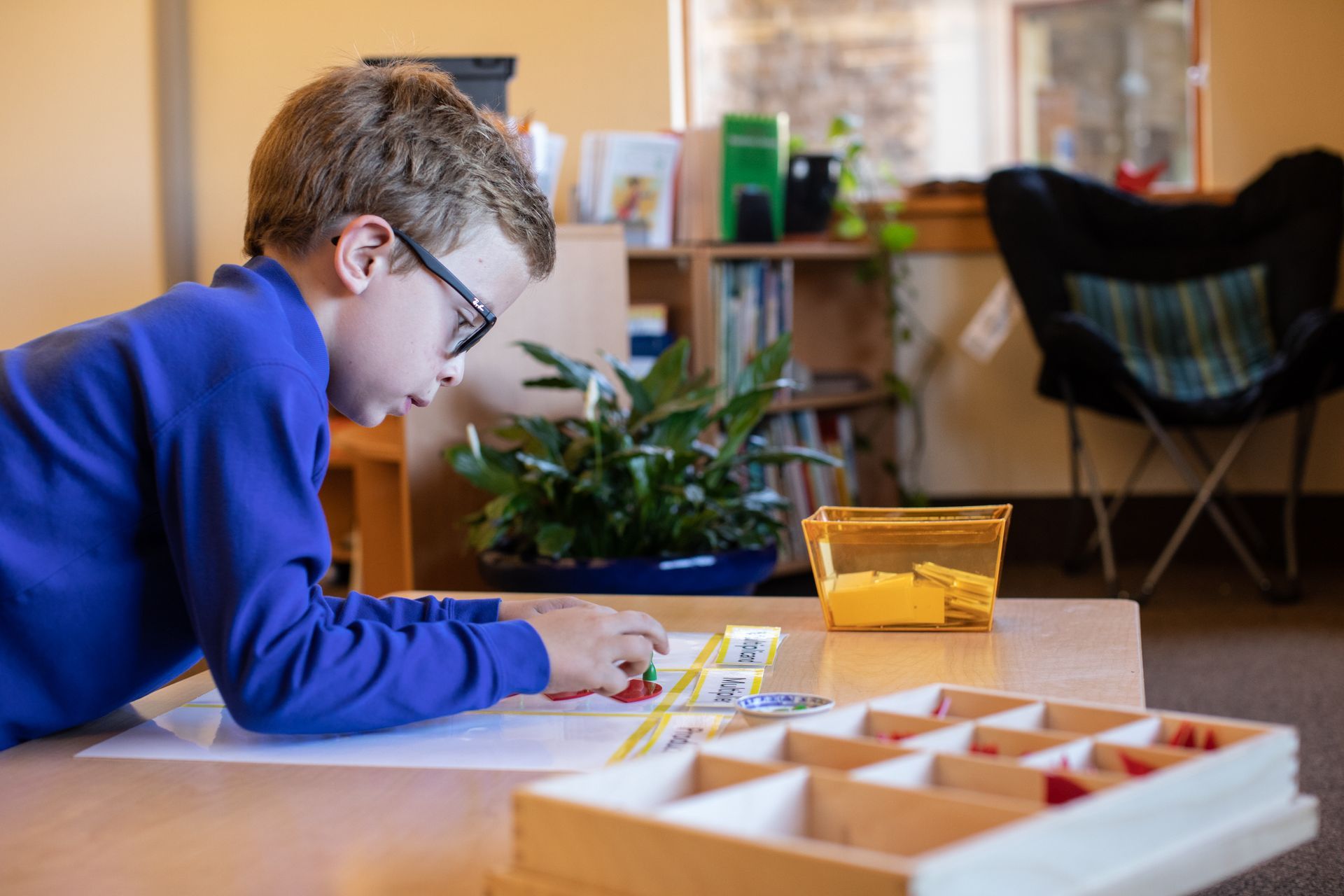
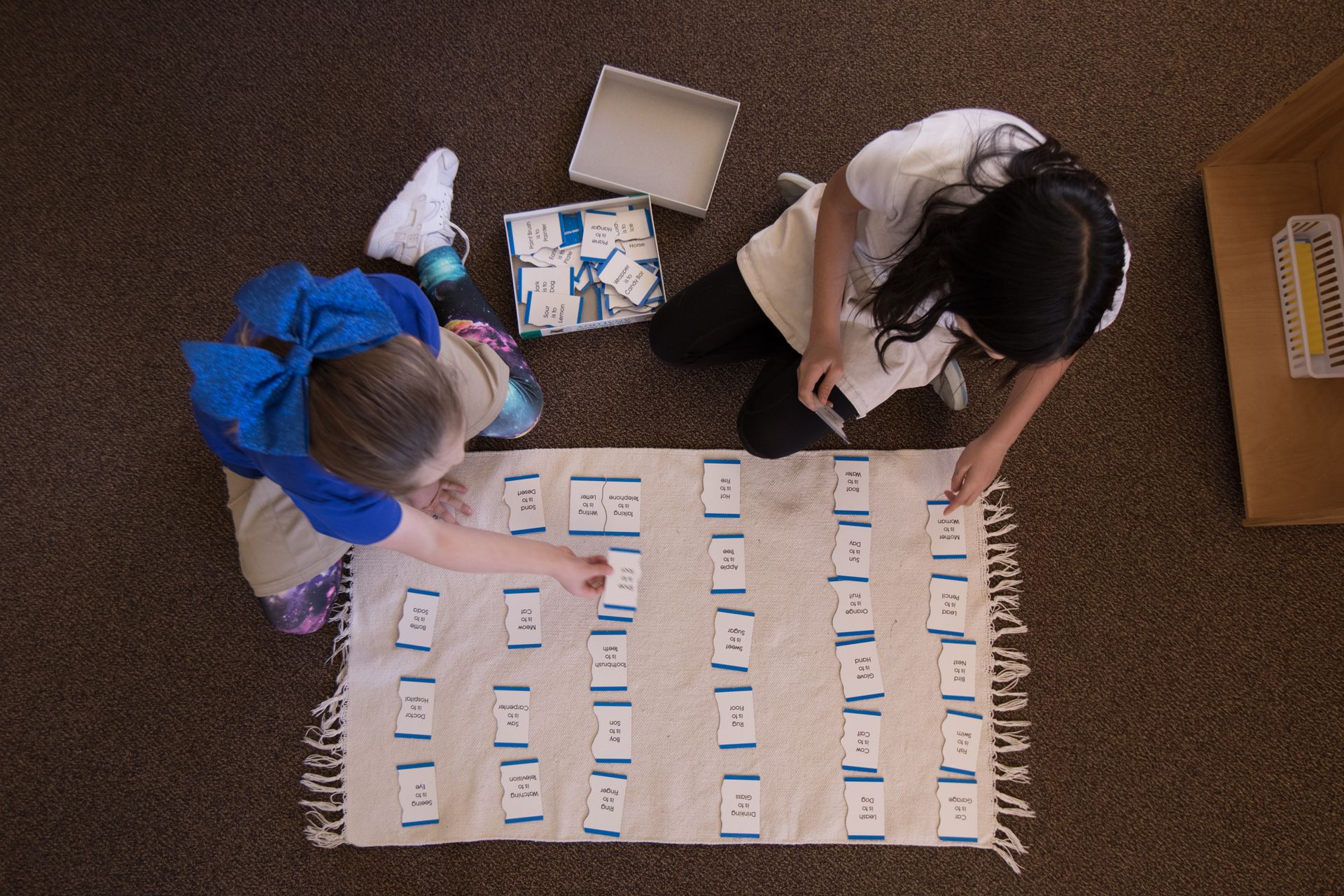
If you ever walk past a classroom at North Shore Montessori School and see the children working intently while a guide sits quietly nearby with a clipboard, you are witnessing one of our most essential practices.
While it may look like a moment of rest, that guide is working deeply. They are engaged in the art of observation—the foundation upon which all Montessori teaching is built.
We welcome and encourage our families to learn more about this transformative practice, and even try it themselves!
Why We Observe: The Science Behind the Practice
Dr. Maria Montessori was a physician and scientist. Her background led her to view education through a scientific lens, using careful observation of children to develop her method.
Today, our guides rely on observation to understand each child's unique development, inform our lesson planning, assess skill mastery, and refine the classroom environment.
1. Planning Individualized Lessons
Montessori guides possess a deep understanding of child development. Practiced guides notice subtle shifts that signal a transition into a new developmental phase or "sensitive period"—a time when a child is uniquely ready to acquire specific skills.
- In the Toddler Environment: A child who has mastered toileting and sits happily for long periods with practical life activities shows readiness for the Primary environment.
- In the Primary Environment: A child nearing six who loses a tooth and shows a sudden, intense interest in peer relationships is entering the "second plane of development." They will respond deeply to storytelling, big ideas, and cultural studies.
2. Ensuring the Environment Serves the Child
In a Montessori classroom, the prepared environment acts as a "third teacher." It is the guide’s responsibility to ensure the room fosters independence, movement, safety, and inspiration.
During an observation, a guide might notice that a piece of furniture disrupts the natural flow of movement, or that children need more work rugs on the floor. If a material hasn't been chosen in weeks, the guide reflects on why: Does it need to be re-presented, moved to a clearer spot, or rotated out? Every item on our shelves exists for a clear, intentional purpose.
3. Authentic Skill Assessment
The word assess comes from the Latin assidere, meaning "to sit beside."
We do not test children with quizzes or flashcards. Instead, we assess mastery by sitting beside them and observing them in action:
- When a child independently places number tiles in order on the Hundred Board, we know they have grasped numerical sequence.
- When a child demonstrates refined light-touch control with the Metal Insets and uses the Sandpaper Letters accurately, we know their hand and mind are ready for pencil-and-paper writing.
What Observation Looks Like in the Classroom
Formal Observations
Guides set aside 15 to 30 minutes regularly to sit quietly and take notes. Children learn early on to respect this time, understanding that the adult is doing important work and should not be interrupted unless there is an emergency. Guides keep their notes objective—focusing purely on facts rather than assumptions—saving reflection for later.
Informal Observations
Throughout the day—while walking across the room, offering a lesson, or helping a child button a coat—guides continuously collect helpful insights. These daily moments fill our planning notebooks with rich anecdotes about each child's growth.
Visiting Our Classrooms: A Guide for Visitors
Observation is one of the best tools for parents considering Montessori, preparing for a child’s transition to a new level, or simply wanting to understand their child’s day.
When you observe a classroom, the goal is to watch quietly so the natural rhythm of the children remains uninterrupted.
What to Do:
- Enter quietly and sit in the designated observer chair.
- Briefly acknowledge a child if they walk up to greet you, then return to watching.
- Take notes on what you see, using an objective lens.
- Slip out quietly when finished without formal goodbyes.
What to Avoid:
- Greeting the room out loud or waving to your child.
- Initiating conversations with children or guides during work time.
- Intervening when a child struggles (unless there is safety concern).
- Disrupting transitions between activities.
💡 Helpful Questions for Your Observation:
- In what ways are the children showing independence?
- How do children choose their work and move between activities?
- How do adults and children communicate with one another?
- How do children handle their own basic needs (getting a drink, washing hands, putting away work)?
Bringing Observation Home
While your home has a different rhythm than a classroom, you can easily use Montessori observation in your daily family life:
- Step back during play: Instead of directing their play or suggesting what to do next, sit nearby and observe. You may be surprised by their creativity, problem-solving, and evolving interests.
- Pause before stepping in: When a spill happens or a child struggles with a zipper, wait a moment. If they ask for help, offer the minimum support needed, but give them space to try first.
- Notice patterns: Observing your child’s sleep, eating, and social habits with a calm, neutral eye gives you wonderful insights into what they need next in their physical and emotional development.
Slowing down to observe is one of the simplest ways to honor your child’s independence—and enjoy watching them grow.
Interested in Seeing Observation in Action?
We love welcoming parents and prospective families into our prepared environments. Contact our team today to schedule a quiet classroom observation at North Shore Montessori School!
You might also like