The Role of the Montessori Guide: Directing, Observing, and Nurturing
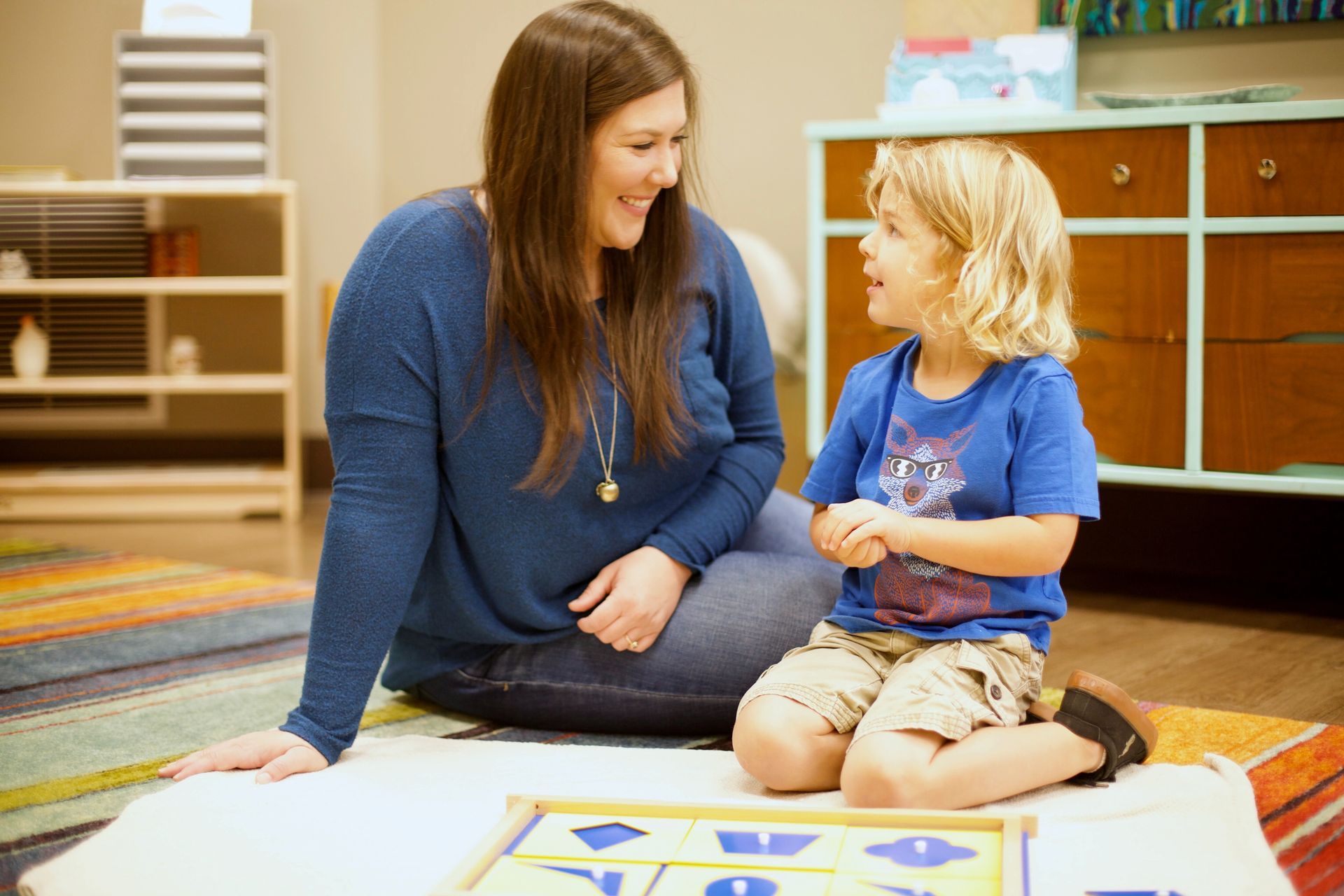
What, exactly, is the role of a Montessori teacher? How is it so wonderfully distinct from traditional approaches to education?
Sometimes, the clearest way to understand a Montessori educator is to begin with what they are not.
A Montessori teacher isn't a lecturer standing at the front of a classroom, delivering the same information to every child at the same time. Instead, we often refer to our educators as Guides. A Guide leads children toward discovery, offering them the exact tools, inspiration, and trust they need to find answers for themselves.
As Dr. Maria Montessori famously observed:
"The greatest sign of success for a teacher... is to be able to say, 'The children are now working as if I did not exist.'"
Here is a look inside how our Guides support your child’s daily journey at North Shore Montessori School.
Cultivating True Independence
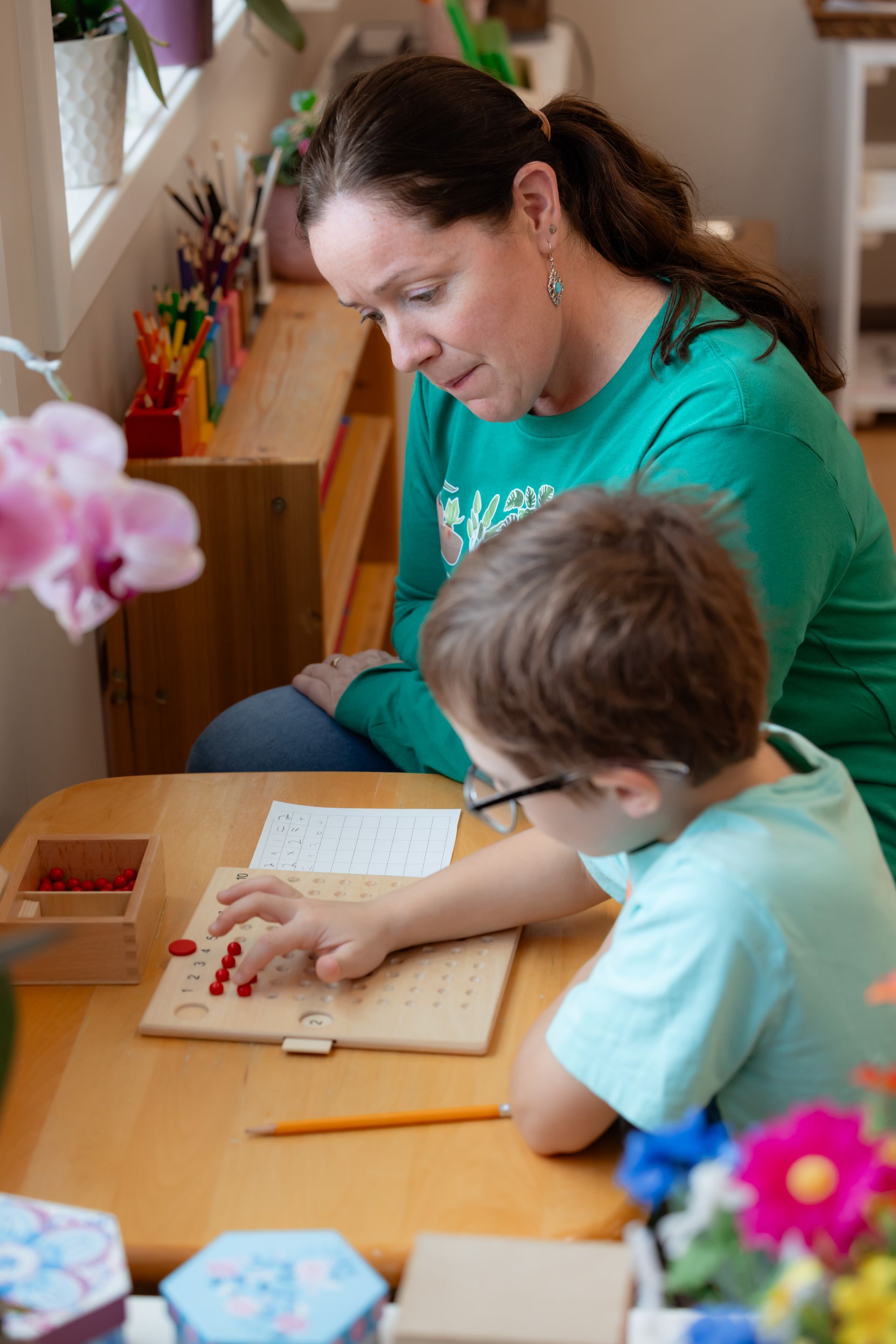
If you walk into a North Shore Montessori classroom during a morning work cycle, you will witness a calm, purposeful hive of activity. You might see a Guide sitting on the floor giving a 1-on-1 lesson, or working quietly with a tiny group.
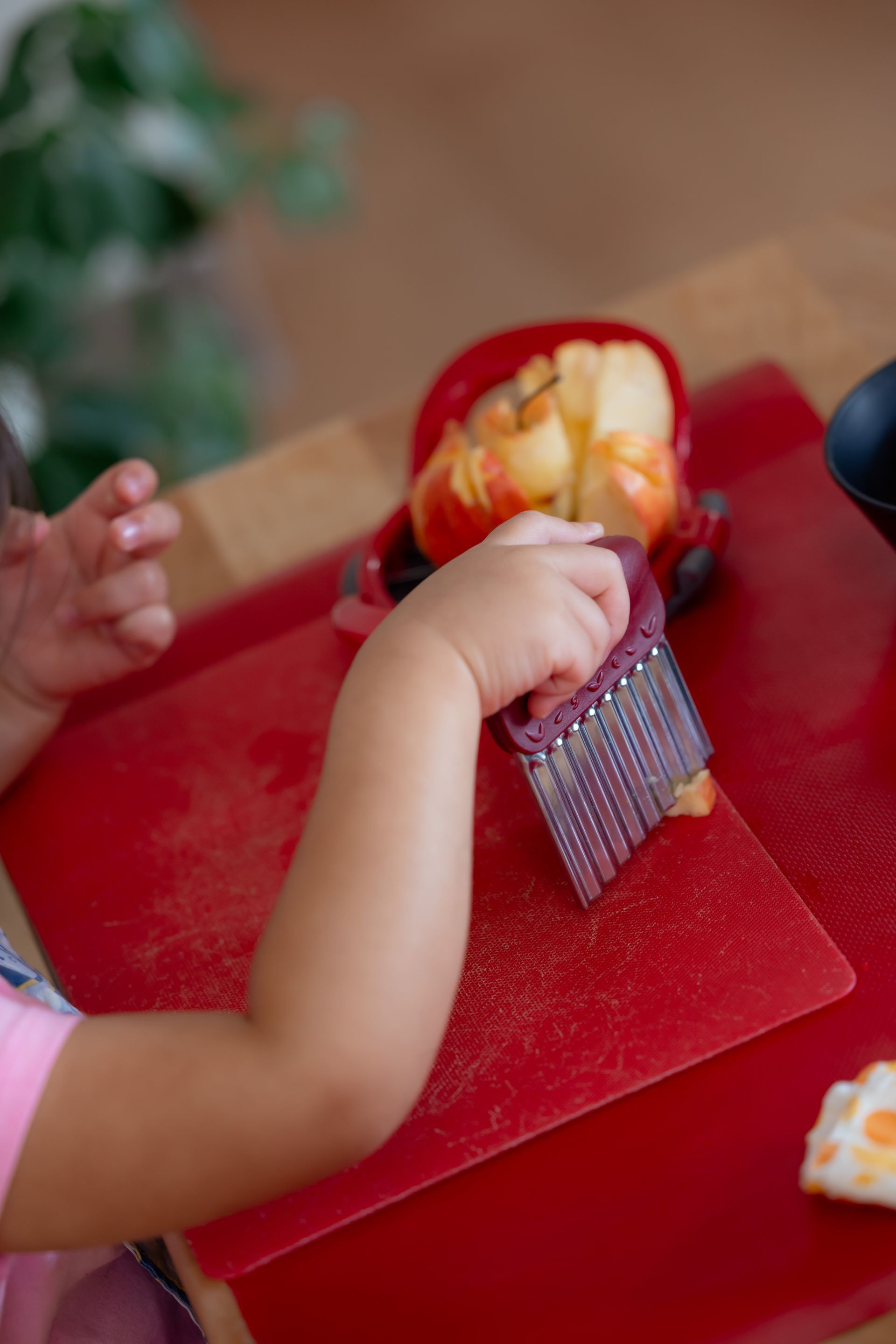
Meanwhile, the rest of the children are independently moving throughout the room—selecting work that deeply calls to them, concentrating deeply, and returning materials to their rightful places.
Our Guides work intentionally to build structures that allow children to trust themselves as capable learners. A vital part of this work is the continuous preparation of the Prepared Environment. Guides design a space that is developmentally rich, beautiful, and inviting. They continuously adjust the shelves and materials in subtle ways, responding directly to the evolving needs and interests of the children in their care.
Trained to Observe Like Scientists
Montessori Guides are lifelong learners with specialized training. In addition to their college degrees, our lead educators hold recognized Montessori credentials. These intensive training programs require extensive study in child development, Montessori philosophy, psychology, and the precise presentation of specialized hands-on materials.
When it comes to understanding your child’s progress, our Guides don’t rely on standardized tests or high-stakes quizzes. Instead, they rely on the powerful art of scientific observation.
Our Guides keep detailed observation notes, recording:
- Which materials a child chooses and how long they concentrate.
- How a child approaches problem-solving and social interactions.
- Content areas where a child shows mastery, needs additional practice, or expresses new curiosity.
By sitting beside your child and observing them in real-time, Guides gain a complete, authentic picture of their academic, social, and emotional growth.
Thinking Big-Picture Across a Three-Year Cycle
Because our classrooms are structured in multi-age, three-year cycles, our Guides have the unique privilege of holding a long-term vision for each child.
Over three years, a Guide truly gets to know your child’s learning style, personality, strengths, and goals. This multi-year relationship removes the rush and stress of a single school year, allowing children to genuinely learn at their own natural pace while feeling deeply known, safe, and valued.
Freedom Within Limits
While Montessori environments offer children an abundance of choice, our model is grounded in the principle of freedom within limits.
Children thrive when they have clear, consistent boundaries. It is the Guide’s role to lovingly set those boundaries and help children navigate within them.
For example, what if a child loves language arts but consistently avoids math? Their Guide won't force a worksheet, but they will ensure the math happens. This might look like:
- A gentle, private conversation about time management and personal goal-setting.
- Integrating the child's passionate interests directly into a math lesson.
- Offering a fresh, enticing math material that matches the child's developmental readiness.
Guides honor choice while ensuring every child receives a well-rounded, challenging, and complete educational foundation.
A Balance of Independence and Community
At North Shore Montessori School, our Guides value self-reliance, intrinsic motivation, and critical thinking. Equally, they nurture empathy, grace and courtesy, cooperation, and a deep love for our school community.
Experience the Difference
The best way to understand the quiet magic of a Montessori classroom is to see it in action. We invite you to
schedule a tour and observe our prepared environments firsthand.
You might also like