Unlocking Innovation & Creativity: The Lifelong Gift of a Montessori Education
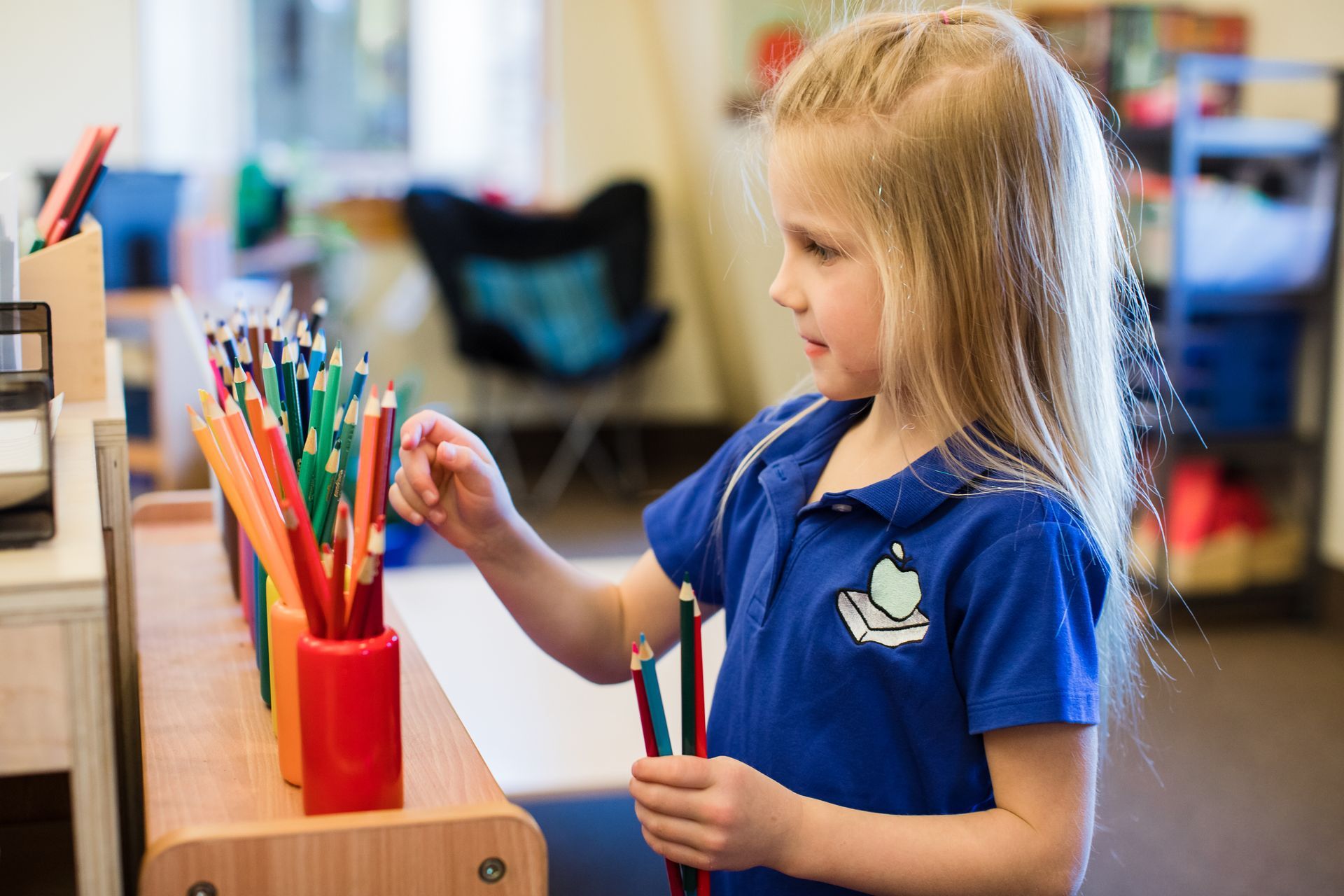
As we look toward an ever-changing future, one thing becomes increasingly clear: today's children don't need to be trained to conform to rigid, predetermined standards. They need to be nurtured as flexible, innovative, and creative thinkers.
For over a century, Montessori education has been doing precisely that—with extraordinary success.
In our classrooms at North Shore Montessori School, we don't measure learning by rote memorization or compliance. Instead, we cultivate the innate human capabilities that allow children to thrive in any path they choose: curiosity, imagination, intrinsic motivation, leadership, and a lifelong love of learning.
🎥 Curious about how this works in practice?
Watch this 5-minute overview video for a quick look at the transformative benefits of a Montessori education.
The Traits of True Innovators
Throughout history, many of the world's most creative thinkers and impactful leaders have credited their early Montessori education with shaping their success. Here is a look at what these key traits mean—and what they look like every day in our North Shore classrooms.
1. Boundless Curiosity
“I do not believe there is a method better than Montessori for making children sensitive to the beauties of the world and awakening their curiosity regarding the secrets of life.”
— Gabriel García Márquez, Nobel Laureate Author & Montessori Alumnus
Rather than simply handing children facts to memorize, Montessori guides spark their curiosity through rich, captivating stories about the natural world and universe.
In our Elementary classrooms, this begins with the Great Lessons—dramatic, sweeping stories that introduce the origin of the universe, the story of life, and the history of writing and numbers. Each year, children return to these stories with new developmental readiness, gleaning deeper insights and launching into their own self-directed research—whether exploring the solar system, atomic structure, or ancient history.
2. A "Flaming Imagination"
A common myth is that Montessori discourages imagination in favor of reality. In truth, Dr. Maria Montessori observed that young children ground themselves in the real world so that their imagination can soar to grander heights.
“Human consciousness comes into the world as a flaming ball of imagination... In the study of history and geography we are helpless without imagination. The secret of good teaching is to regard the children’s intelligence as a fertile field in which seeds may be sown to grow under the heat of flaming imagination.”
— Dr. Maria Montessori, To Educate the Human Potential
We don't ask children to passively absorb theories; we give them concrete materials and inspiring concepts that allow them to visualize the universe. From exploring geography maps to visualizing mathematical concepts in three dimensions, their imagination becomes their greatest tool for understanding the world.
3. Internal Motivation (Freedom Within Limits)
“I think it was part of that training of not following rules or orders, and being self-motivated, questioning what’s going on in the world and doing things a little bit differently.”
— Larry Page, Co-Founder of Google & Montessori Alumnus
In a Montessori environment, you won't find gold stars, sticker charts, or traditional letter grades. We intentionally avoid external rewards because we want children to discover the quiet, joyful satisfaction of working for their own internal fulfillment.
Through freedom within limits, children choose their work, decide where to sit, and manage their time within a structured, respectful boundary. This daily practice in decision-making builds true self-direction and independence that lasts a lifetime.
4. Natural Leadership
“Dr. Montessori learned... that only through freedom can individuals develop self-control, self-dependence, will power, and initiative. There is no education except self-education.”
— Anne Sullivan, Teacher & Companion to Helen Keller
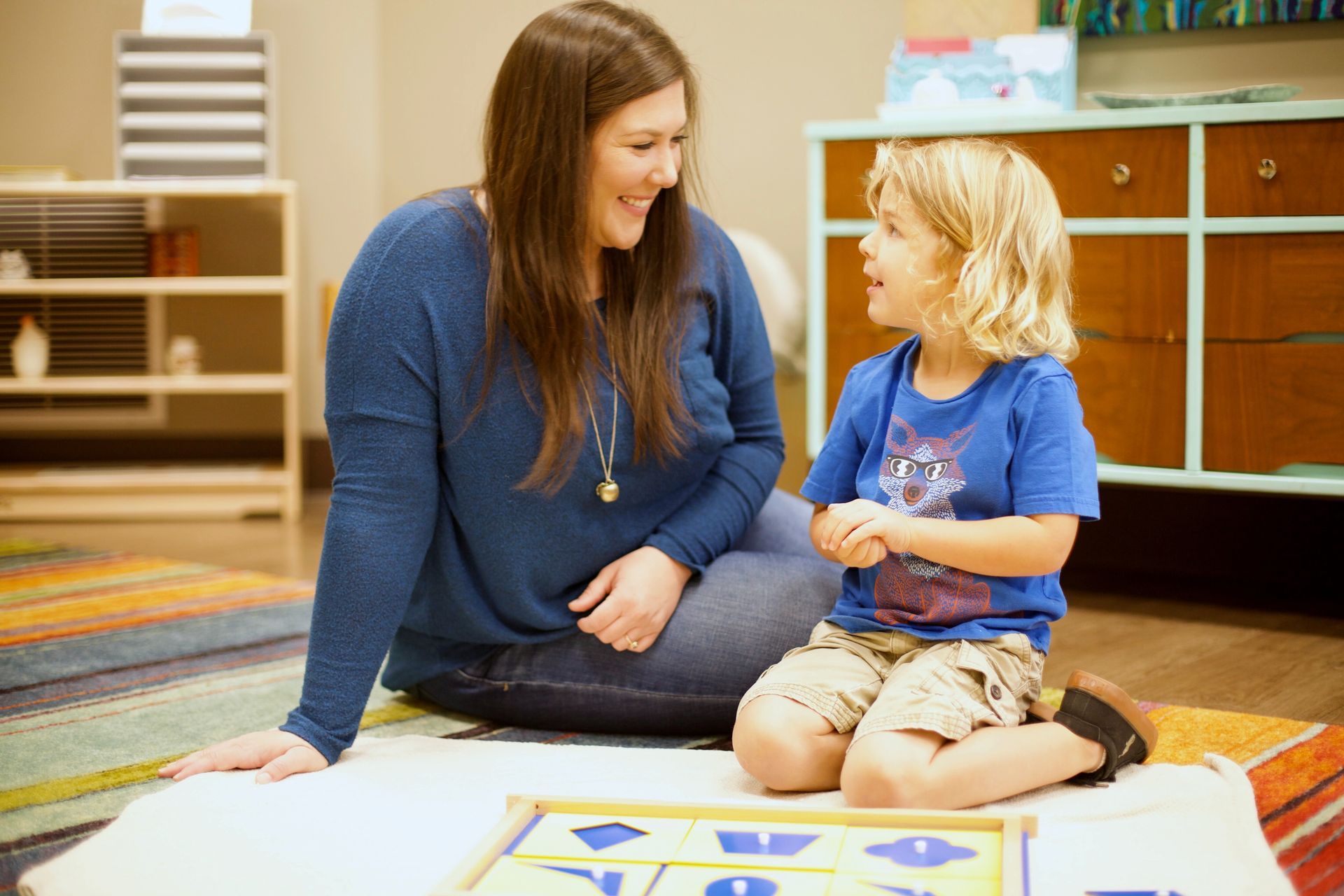
Our multi-age classrooms naturally give rise to gentle, authentic leadership. Younger children look up to older peers as mentors, while older children deepen their own understanding by guiding younger classmates, demonstrating lessons, and modeling care for the environment.
Leadership in Montessori isn't about being the loudest voice in the room—it’s about developing empathy, responsibility, and initiative in a supportive community.
5. A Lifelong Love of Learning
Above all, our deepest wish for every child at North Shore Montessori School is that they never lose their wonder.
Consider world-renowned violinist Joshua Bell. As a four-year-old, he created his own string instrument using rubber bands attached to dresser drawers, adjusting the pitch by sliding the drawers in and out. Recognizing his creative spark, his parents enrolled him in a Montessori school.
As an adult, Bell engaged in a famous social experiment with the Washington Post. He dressed in ordinary street clothes and played intricate classical pieces on a $3.5 million Stradivarius violin in a busy Washington, D.C. subway station.
🎻 Watch the Experiment:
See the clip of Joshua Bell playing in the D.C. Metro to witness this famous experiment in human attention and curiosity.
While over 1,000 adults rushed past without pausing, the experiment highlighted something profound: the innate need to explore, test, and collect information purely for the joy of discovery. That same spirit of joyful inquiry is what we protect and nurture every day in our school.
Experience Montessori in Action
When we give children the freedom to explore, the tools to master real skills, and a community that honors their individuality, they don't just learn—they flourish.
Whether you are a current family wishing to observe your child's classroom or a prospective family looking for the right educational home, we invite you to step inside.
Schedule a tour today!
You might also like