Words That Inspire: Exploring the Vision of Dr. Maria Montessori

Dr. Maria Montessori was a scientist and physician first and foremost. She stepped into the field of education after observing how often children were misunderstood and underestimated. Recognizing that young learners deserved profound respect and trust, she launched a scientific and humanistic approach to learning that eventually became Montessori education.
In addition to her groundbreaking scientific observations, Dr. Montessori was a prolific writer and speaker. Her words have been translated across the globe and continue to inspire parents and educators over a century later. While some phrasing reflects its historical era, her writings remain deeply poetic, timeless, and profound.
At North Shore Montessori School, these core ideas guide how we prepare our classrooms, support our guide team, and partner with families every day. Here are four excerpts from Dr. Montessori’s writings that deeply inspire our school community—and we hope they offer a moment of reflection for your family, too.
1. Education as a Partnership for Humanity
"This is education, understood as a help to life; an education from birth, which feeds a peaceful revolution and unites all in a common aim, attracting them as to a single centre. Mothers, fathers, politicians: all must combine in their respect and help for this delicate work of formation, which the little child carries on in the depth of a profound psychological mystery, under the tutelage of an inner guide. This is the bright new hope for mankind."
— Dr. Maria Montessori, The Absorbent Mind
Education is far more than an academic checklist; it is a collaborative effort to support the unfolding of a human being. The way we honor and nurture children today shapes the peaceful future of our shared world.
At North Shore Montessori School, we know this work cannot be done in isolation. True education is a relationship-centered partnership. It takes trained guides, thoughtful school leaders, engaged parents, and a supportive community working together in harmony. When home and school align around a shared respect for the child, incredible transformation happens.
2. Honoring the Unique Path of Every Child
"An education capable of saving humanity is no small undertaking; it involves the spiritual development of man, the enhancement of his value as an individual, and the preparation of young people to understand the times in which they live."
— Dr. Maria Montessori, Education and Peace
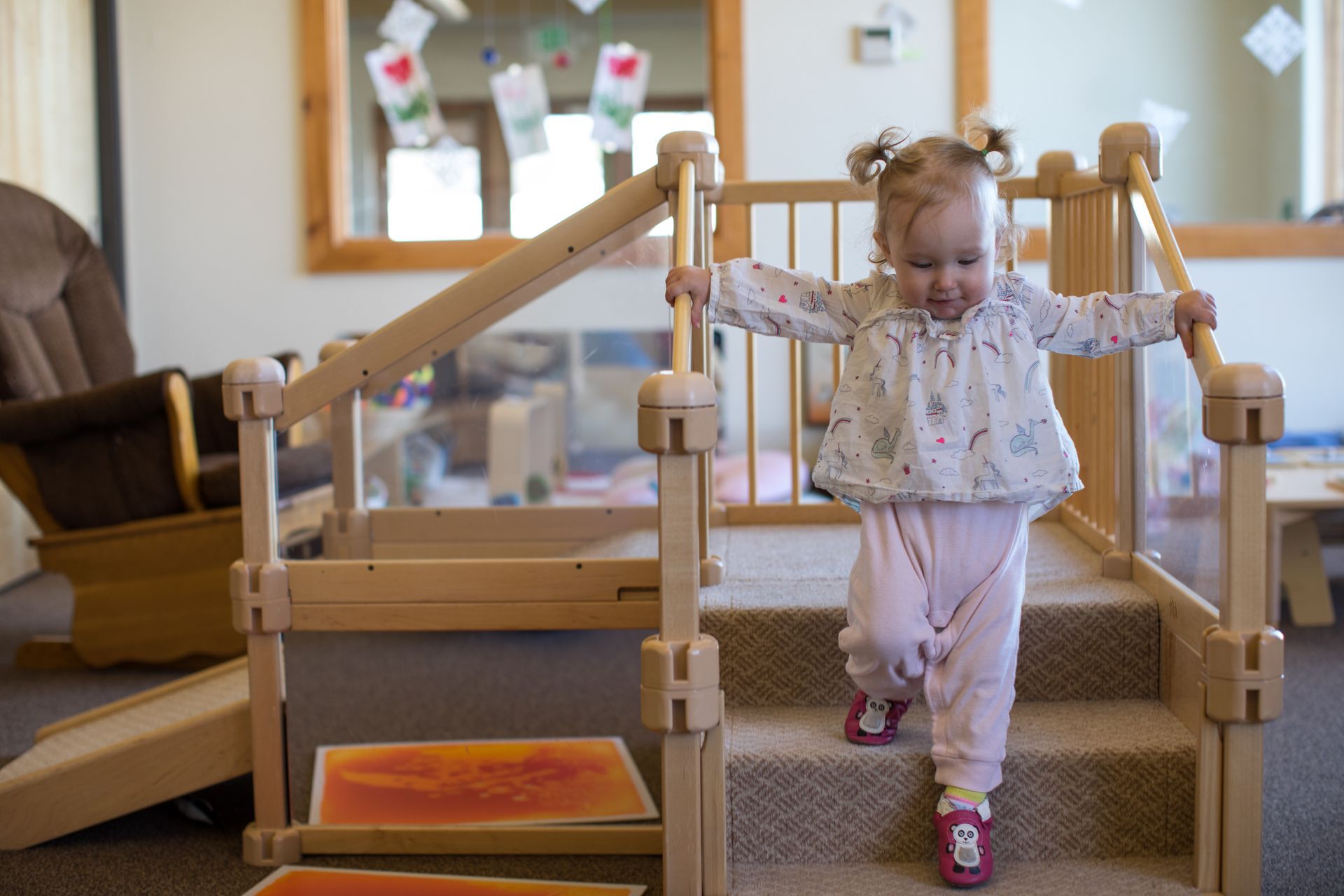
Individuality and adaptability are central to a Montessori environment. Children are not standardized, and their learning experiences shouldn't be either. A rigid, one-size-fits-all curriculum delivered on an unyielding timeline misses the unique potential of the individual child.
By honoring each child’s unique developmental pace and interests, Montessori education remains timeless. While technology and societal landscapes shift, fundamental human development remains constant.
In our prepared environments, we guide children to ask meaningful questions, pursue deep interests, and build empathetic social habits. By honoring their individuality while teaching them to live cooperatively within a community, we prepare them to navigate an ever-changing world with confidence and resilience.
3. Protecting Deep Focus and Natural Flow
"The mind takes some time to develop interest, to be set in motion, to get warmed up into a subject, to attain a state of profitable work. If at this time there is interruption, not only is a period of profitable work lost, but the interruption produces an unpleasant sensation which is identical to fatigue... Suitable work reduces fatigue on account of the pleasure derived from the work itself."
— Dr. Maria Montessori, What You Should Know About Your Child
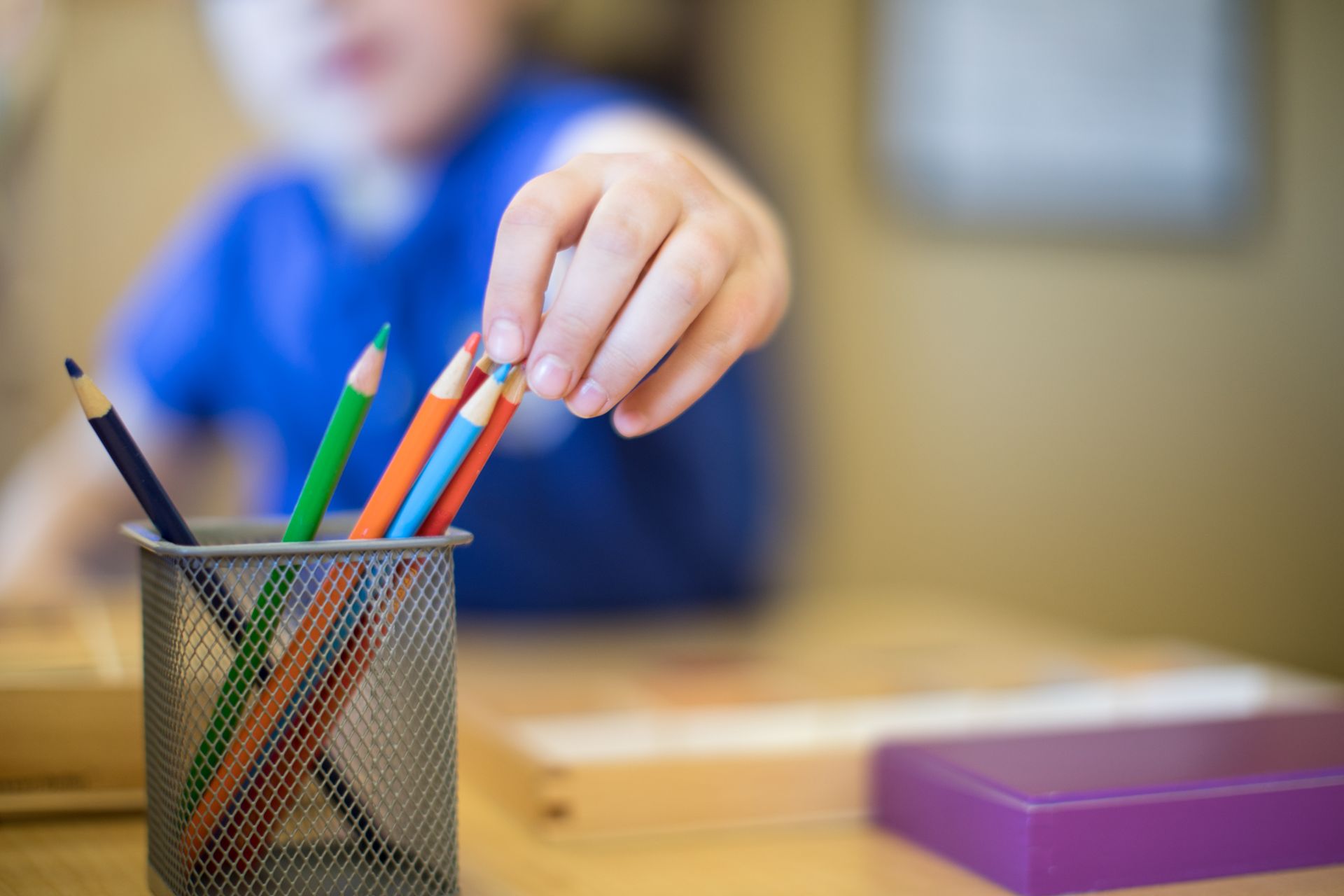
As adults, our natural instinct is often to step in, direct, or correct. We want to be helpful! However, true learning often happens when adults step back, observe quietly, and protect the child's uninterrupted work cycle.
Unnecessary interruptions break a child’s concentration and create genuine cognitive fatigue. Conversely, when a child engages in self-chosen, developmentally appropriate work without premature intervention, they experience joyful focus and deep satisfaction.
Our role as guides and parents is to prepare a calm environment, observe thoughtfully, and allow the child the space to try, make mistakes, and self-correct. That process builds authentic capability and self-trust.
4. Understanding Freedom Within Limits
"To let the child do as he likes when he has not yet developed any powers of control, is to betray the idea of freedom... Real freedom, instead, is a consequence of development; it is the development of latent guides, aided by education."
— Dr. Maria Montessori, The Absorbent Mind
A common misconception about Montessori is that children simply "do whatever they want." In reality, Montessori balance relies on freedom within clear, supportive limits.
True freedom is not permissive; it is earned as self-regulation and inner discipline develop. For instance, at home, we wouldn't ask a child if they want candy for breakfast, nor would we force them to clear a plate without listening to their body. Instead, we offer clear, limited choices: "Would you like oatmeal or eggs this morning?"
As children demonstrate greater self-mastery and respect for their environment and peers, their sphere of independence naturally expands. It is a continuous, beautiful balance between structure and choice.
Continuing the Journey Together
We hope these reflections offer a fresh perspective on your child's daily experiences at North Shore Montessori School.
If you are interested in diving deeper into Montessori philosophy or bringing more of these principles into your home life, we warmly invite you to reach out! Our school library has a collection of Dr. Montessori’s books and parent resources available for our families to borrow.
You might also like